



Learn about Sensory Processing Challenges in Autism, their signs, and practical support strategies. Discover how Gateway International School Lahore creates an inclusive learning environment that helps children with autism thrive.
Every child experiences the world differently. For children with autism, everyday sights, sounds, smells, textures, and movements may feel much more intense or less noticeable than they do for others. These differences are known as Sensory Processing Challenges in Autism, and they can influence how a child learns, communicates, interacts, and responds to their surroundings.
At Gateway International School Lahore, we understand that supporting children with autism means recognizing their unique sensory needs. Through our inclusive education approach, personalized learning strategies, and nurturing environment, Gateway International School Lahore helps children feel safe, comfortable, and confident while reaching their full potential.
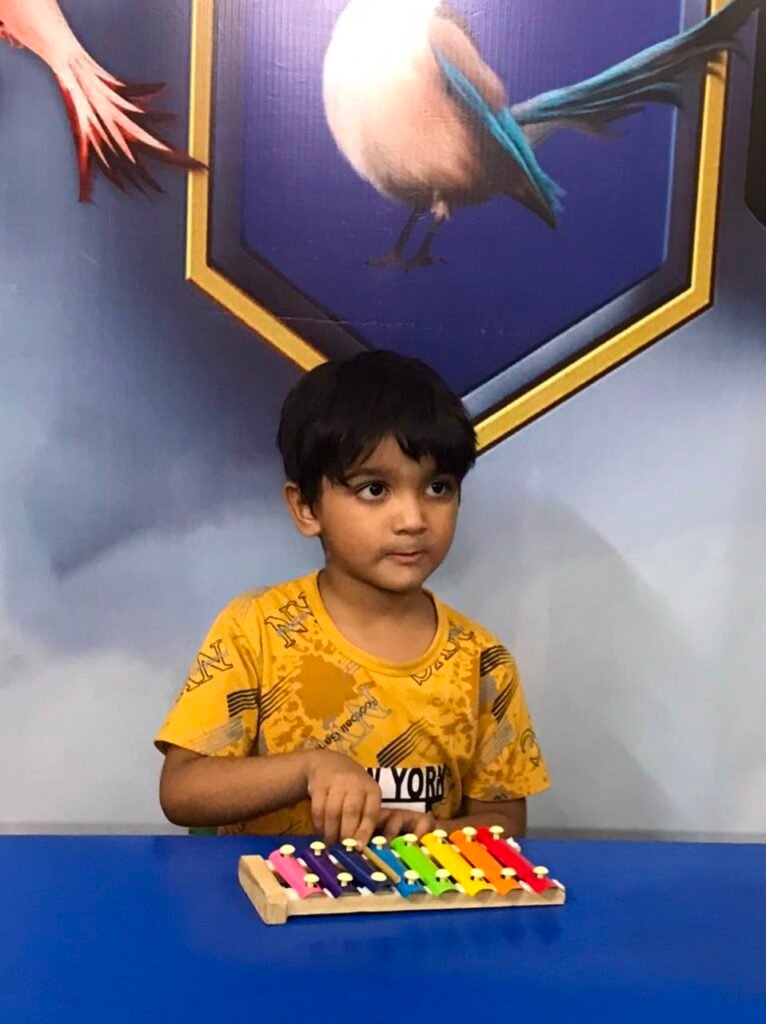
By understanding Sensory Processing Challenges in Autism, parents and educators can work together to create positive experiences that promote learning, emotional well-being, and independence.
What Are Sensory Processing Challenges in Autism?
Sensory Processing Challenges in Autism refer to differences in the way the brain receives, organizes, and responds to sensory information. Children with autism may react differently to sounds, lights, touch, taste, smell, movement, or visual stimuli.
At Gateway International School Lahore, we recognize that every child has individual sensory preferences and responses. While one child may enjoy certain sensations, another may find the same experience overwhelming or distracting.
These sensory differences are a natural part of autism and should be understood with patience, empathy, and appropriate educational support.
Common Signs of Sensory Processing Challenges in Autism
Recognizing the signs of Sensory Processing Challenges in Autism can help parents and teachers better understand a child’s needs.
Some children may:
- Cover their ears in noisy environments.
- Avoid bright lights or busy classrooms.
- Be sensitive to certain clothing fabrics.
- Dislike particular food textures.
- Seek movement by jumping or spinning.
- Prefer deep pressure, hugs, or weighted objects when appropriate.
- Become overwhelmed in crowded places.
- Have difficulty transitioning between activities.
At Gateway International School Lahore, our educators observe each child’s sensory preferences to create supportive learning experiences that encourage participation and comfort.
How Sensory Processing Challenges in Autism Affect Learning
Learning environments contain many sensory experiences, from classroom conversations to bright displays and group activities. For children experiencing Sensory Processing Challenges in Autism, these everyday situations can sometimes make it difficult to focus or participate.
At Gateway International School Lahore, we understand that when a child’s sensory needs are respected, learning becomes more meaningful and enjoyable.
Our educators help students by:
- Providing structured classroom routines.
- Giving clear and simple instructions.
- Allowing additional processing time when needed.
- Creating calm and predictable learning environments.
- Encouraging positive classroom participation.
These supportive strategies help children feel secure while developing academically and socially.
Personalized Learning Supports Sensory Processing Challenges in Autism
Every child learns differently, which is why personalized learning is an essential part of supporting Sensory Processing Challenges in Autism.
At Gateway International School Lahore, teachers carefully observe each student’s strengths, interests, and sensory preferences before planning learning experiences.
Our individualized approach may include:
- Visual learning materials.
- Hands-on classroom activities.
- Flexible seating options where appropriate.
- Small-group learning opportunities.
- Step-by-step instructions.
- Positive reinforcement.
By adapting learning experiences to meet individual needs, Gateway International School Lahore helps children participate with confidence while developing new skills.
Activity-Based Learning Helps Manage Sensory Processing Challenges in Autism
Children often learn best through engaging, meaningful experiences. That is why Gateway International School Lahore incorporates activity-based learning into our inclusive education approach to support Sensory Processing Challenges in Autism.
Students participate in activities such as:
- Creative art projects.
- Interactive storytelling.
- Music and movement sessions.
- Sensory-friendly classroom experiences.
- Educational games.
- Science exploration.
- Practical hands-on learning.
These activities encourage communication, creativity, and problem-solving while helping children engage with learning in ways that suit their individual sensory needs.
Inclusive Classrooms Encourage Children with Sensory Processing Challenges in Autism
Inclusive classrooms provide opportunities for children to learn alongside their peers while feeling respected and supported.
At Gateway International School Lahore, Sensory Processing Challenges in Autism are addressed through an inclusive environment that promotes understanding, acceptance, and meaningful participation.
Students benefit by:
- Building friendships.
- Developing communication skills.
- Learning teamwork.
- Strengthening self-confidence.
- Participating in collaborative classroom activities.
- Feeling included in the school community.
An inclusive environment benefits every learner by encouraging empathy, kindness, and respect for individual differences.
Parent Partnerships Improve Support for Sensory Processing Challenges in Autism
Parents play an essential role in supporting children experiencing Sensory Processing Challenges in Autism.
At Gateway International School Lahore, we believe that open communication between families and educators creates the best outcomes for children.
Working together allows parents and teachers to:
- Share observations.
- Discuss successful strategies.
- Monitor progress.
- Address challenges early.
- Celebrate achievements.
- Create consistency between home and school.
This collaborative partnership helps children feel supported wherever they learn.
Why Families Choose Gateway International School Lahore for Children with Sensory Processing Challenges in Autism
Families trust Gateway International School Lahore because we believe every child deserves an educational environment where they feel understood, valued, and encouraged to succeed.
Our inclusive education approach supports Sensory Processing Challenges in Autism through:
- Personalized learning.
- Experienced and compassionate educators.
- Activity-based teaching.
- Inclusive classrooms.
- Strong parent-school partnerships.
- Holistic child development.
- A safe and welcoming environment.
By focusing on each child’s strengths, Gateway International School Lahore creates opportunities for lifelong learning and personal growth.
Understanding Sensory Processing Challenges in Autism is the first step toward creating a supportive and inclusive learning environment. Every child experiences the world differently, and with patience, understanding, and the right educational approach, they can develop confidence, independence, and essential life skills.
At Gateway International School Lahore, we are committed to helping children with autism thrive through personalized learning, inclusive classrooms, activity-based education, and meaningful partnerships with families. By recognizing and respecting each child’s unique sensory needs, we create an environment where every learner feels safe, valued, and empowered to succeed.
If you are looking for a school that understands your child’s unique learning journey, Gateway International School Lahore welcomes you to explore our inclusive education approach. Visit our campus, meet our dedicated educators, and discover how we can support your child’s academic, social, and emotional development.
At Gateway International School Lahore, we empower every learner to grow with confidence, discover their strengths, and build a bright future. 🌈💙