



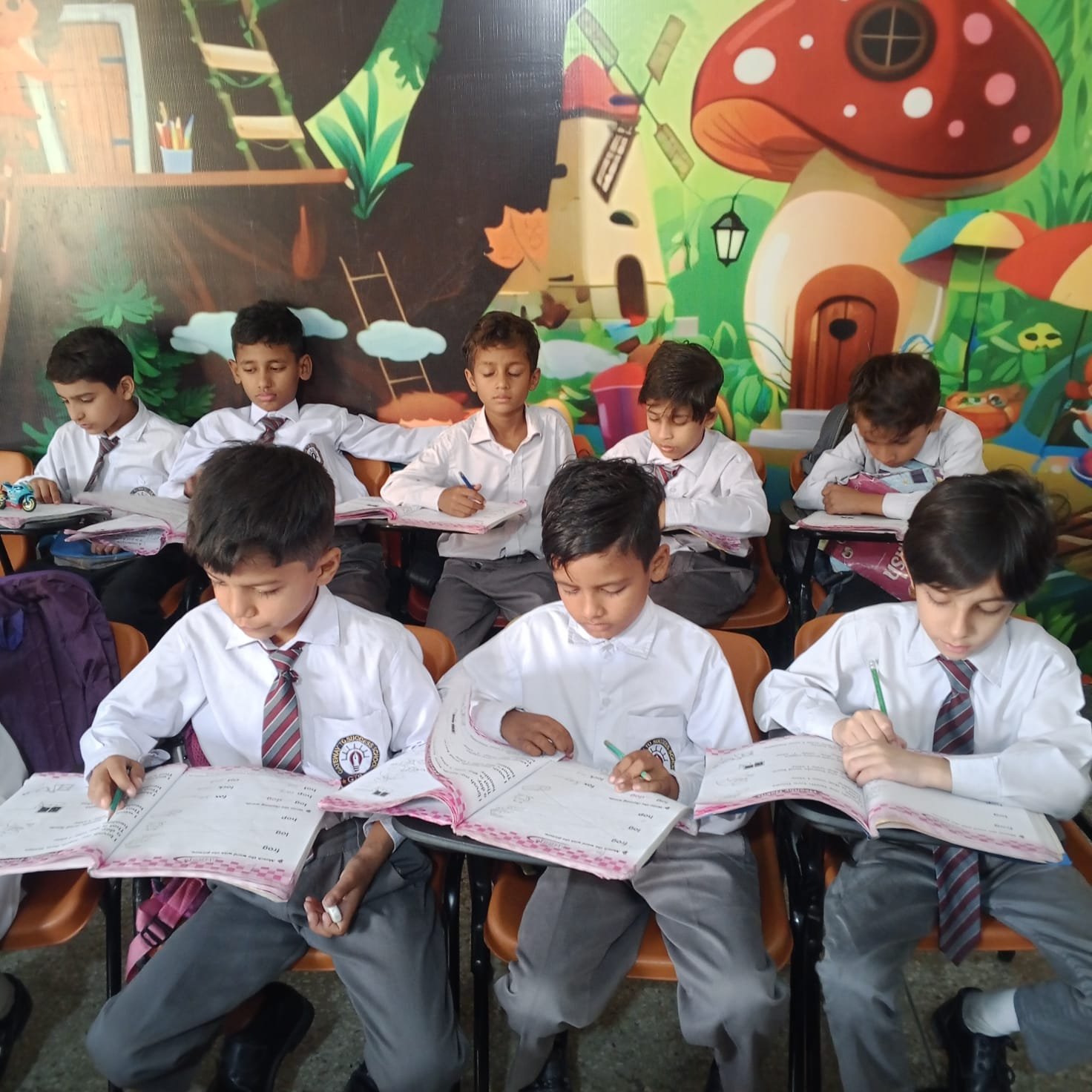
Reading Comprehension Skills help children understand texts, develop vocabulary, and think critically through meaningful learning experiences at Gateway International School Lahore.
Understanding Reading Comprehension Skills
Reading is not simply about recognising words or pronouncing sentences correctly. True reading involves understanding the message, connecting ideas, and thinking about what the text communicates. Reading Comprehension Skills help children make sense of what they read and use that understanding to develop knowledge.
At Gateway International School Lahore, everyday classroom learning provides opportunities for students to engage with books and written material. Developing comprehension alongside reading practice can help children become more confident learners who understand information rather than merely read words aloud.
Why Reading Comprehension Skills Matter for Young Learners
Comprehension plays an important role in almost every school subject. Students need to understand instructions, follow explanations, interpret questions, and identify important information in their textbooks.
Strong Reading Comprehension Skills can help children recognise the main idea, understand details, identify relationships between events, and draw simple conclusions. These abilities become increasingly useful as students encounter longer texts and more complex concepts.
Comprehension also encourages curiosity. When children understand what they read, they can ask questions, make connections with their experiences, and explore unfamiliar ideas. This makes reading a more meaningful part of their educational journey.
Developing Reading Comprehension Skills Through Regular Reading
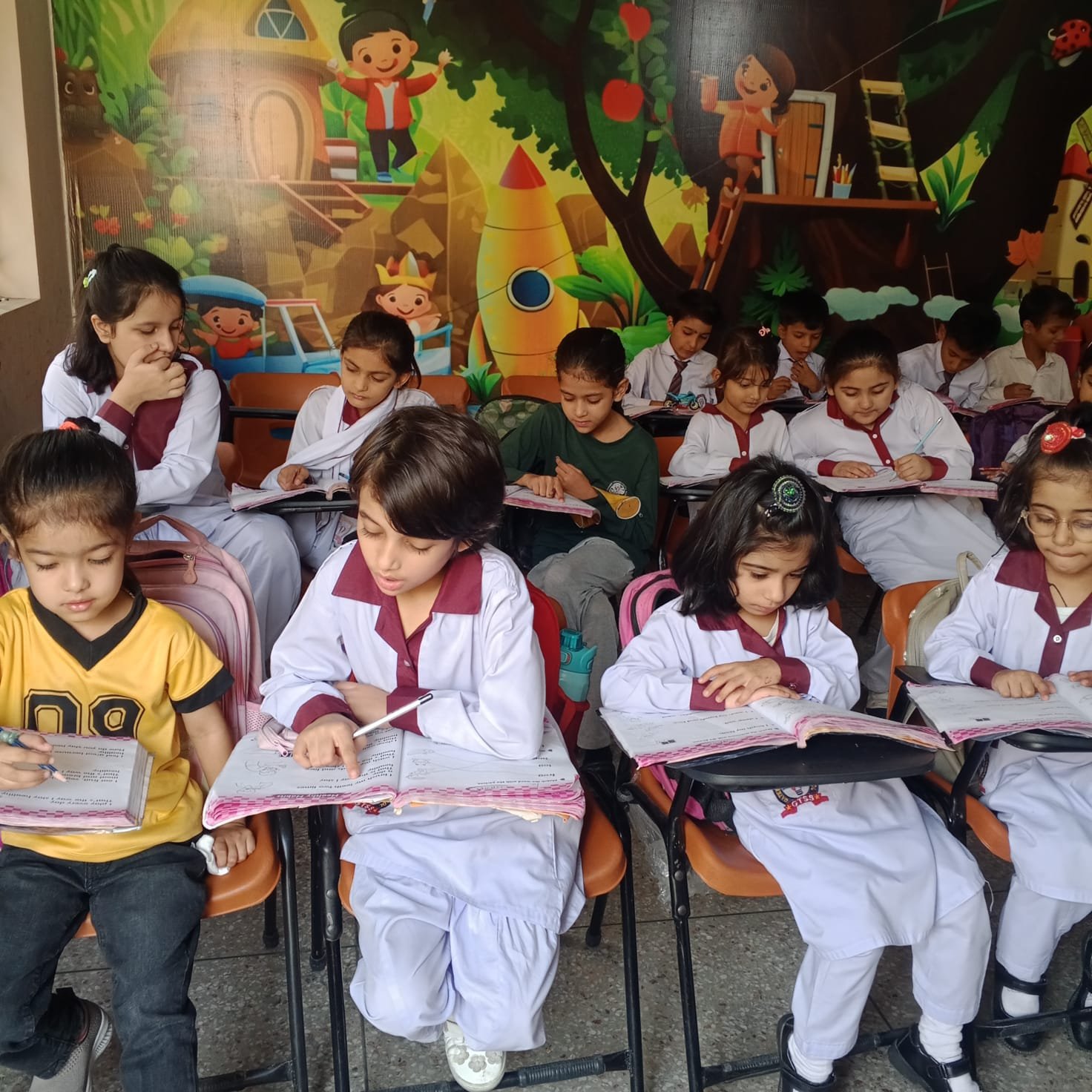
Regular reading gives children opportunities to practise understanding different words, sentences, and ideas. Stories, picture books, informational texts, and age-appropriate passages can all contribute to this process.
Teachers can encourage students to pause and think about what they have read. Asking questions such as “What is this passage about?”, “Why did the character make that decision?” or “What do you think might happen next?” can help children engage more actively with a text.
Reading Comprehension Skills develop gradually. Some children may understand short passages easily but need support when reading longer texts. Others may benefit from discussing unfamiliar vocabulary before beginning. Selecting material appropriate to each child’s reading level makes comprehension practice more accessible.
How Vocabulary Supports Reading Comprehension Skills
Understanding words is an important part of understanding a text. When children encounter unfamiliar vocabulary, they may struggle to follow the meaning of a sentence or connect one idea with another.
Teachers can support vocabulary development by discussing new words, explaining their meanings in context, and encouraging children to use them in their own sentences. Illustrations, examples, and familiar situations can also help clarify meaning.
As vocabulary grows, children may find it easier to understand a wider range of reading materials. However, comprehension involves more than knowing individual words. Students also need to connect information, recognise the purpose of a text, and understand how its ideas fit together.
Strengthening Reading Comprehension Skills Through Questions
Thoughtful questions can help students move beyond surface-level reading. Questions about characters, events, facts, causes, and conclusions encourage children to think about the meaning of a passage.
For younger learners, teachers might begin with straightforward questions about who, what, where, and when. As students gain confidence, they can explore why something happened, compare ideas, or explain their opinions using information from the text.
Reading Comprehension Skills can also be strengthened by asking children to retell a story in their own words or identify its central message. These activities help teachers understand whether students have grasped the content and where further explanation may be needed.
How Gateway International School Lahore Can Encourage Reading Comprehension Skills
Gateway International School Lahore can support the development of Reading Comprehension Skills through purposeful classroom reading, suitable learning materials, and opportunities for students to discuss what they understand.
Teachers can encourage children to identify main ideas, explain unfamiliar words, answer questions, and connect reading material with prior knowledge. Providing clear instructions and allowing appropriate time for reflection can make reading activities more productive.
Students have different strengths and learning needs, so comprehension support should be adjusted accordingly. Some may benefit from visual prompts or shorter passages, while others may be ready to explore more detailed texts. Regular observation can help teachers identify areas where additional guidance would be useful.
Building Confidence Through Reading Comprehension Skills
When children understand what they read, they are better prepared to engage with classroom learning and explore new information. Comprehension encourages them to think carefully, ask questions, and express their understanding in their own words.
At Gateway International School Lahore, reading can be an important part of the everyday learning experience. By giving attention to meaning as well as word recognition, educators can help students develop a more complete approach to reading.
Every page offers an opportunity to understand more, think deeper, and discover something new.