



Explore how Interactive Learning Activities support communication, attention, colour recognition, and active participation at Gateway International School Lahore.
Every child has unique abilities, learning preferences, and developmental needs. For children with special needs, learning experiences that encourage active involvement can provide valuable opportunities to practise essential skills in a supportive environment. Interactive Learning Activities can make learning more engaging by encouraging children to observe, respond, communicate, and participate at their own pace.
At Gateway International School Lahore, the Inclusive School recognises the importance of providing learning opportunities that consider individual needs. Through engaging activities and supportive sessions, children can practise communication, attention, colour recognition, and active participation while exploring their abilities.
What Are Interactive Learning Activities?
Interactive Learning Activities are experiences in which children actively participate rather than simply watch or listen. They may involve responding to instructions, identifying colours, participating in speech sessions, completing simple tasks, or engaging with learning materials.
For children with special needs, these activities can offer meaningful opportunities to practise skills in manageable steps. With appropriate guidance, repetition, and encouragement, children can gradually become more familiar with learning routines and develop confidence in participating.
At Gateway International School Lahore, activities can be adapted according to each child’s abilities, interests, and learning requirements.
1. Interactive Learning Activities Support Communication
Communication is an important part of everyday learning. Children need opportunities to express their needs, respond to others, and develop ways to share their thoughts.
Speech sessions and guided activities can provide opportunities for children to practise listening, responding, identifying familiar objects, and using words or other appropriate forms of communication. Teachers and therapists can encourage responses through simple prompts, repetition, visual materials, and positive reinforcement.
At Gateway International School Lahore, supportive communication experiences can help children participate more meaningfully in their learning environment. Each child’s progress may differ, so activities should be planned according to individual communication needs.
2. Interactive Learning Activities Encourage Attention and Focus
Attention helps children engage with instructions and learning tasks. However, maintaining focus may be challenging for some children, particularly when an activity is unfamiliar or involves several steps.
Short, structured, and engaging tasks can give children opportunities to practise focusing on one activity at a time. Clear instructions, appropriate materials, repetition, and planned breaks may help make participation more manageable.
Interactive Learning Activities can also encourage children to look, listen, respond, and return their attention to a task with support. The aim is not to expect every child to concentrate in the same way, but to provide suitable opportunities for practising attention according to individual needs.
3. Interactive Learning Activities Introduce Colour Recognition
Colour recognition can be explored through visual materials and simple matching or identification tasks. Children may be encouraged to identify a colour, match objects of the same colour, or respond to a colour-related instruction.
These activities provide opportunities to practise visual attention, observation, matching, and following directions. Repeating an activity with familiar objects can also help children become more comfortable with the task.
At Gateway International School Lahore, colour-based learning opportunities can be incorporated into engaging sessions according to each child’s developmental level. The emphasis remains on participation, practice, and individual progress rather than comparison with other children.
4. Interactive Learning Activities Promote Active Participation
Active participation allows children to become involved in their own learning experiences. Instead of being passive observers, they have opportunities to make choices, respond to prompts, handle materials, and complete manageable tasks.
Some children may participate through spoken responses, while others may use gestures, pointing, visual choices, or other communication methods. Recognising these different ways of responding helps create a more inclusive learning environment.
At Gateway International School Lahore, encouraging participation means valuing each child’s efforts and providing support that matches their needs. Even small steps towards engagement can be meaningful when children are given time and appropriate encouragement.
5. Interactive Learning Activities Help Build Confidence
A supportive learning environment can help children feel more comfortable exploring new tasks. When activities are appropriate to their abilities, children have opportunities to experience success, practise familiar skills, and attempt new challenges gradually.
Positive feedback can acknowledge effort without placing unnecessary pressure on a child. Teachers and therapists can also adjust the level of difficulty when a task becomes too challenging or too easy.
Over time, these experiences may help children become more willing to participate in activities and interact with the people around them. Confidence develops differently for every child, and consistent encouragement is an important part of the learning process.
6. Interactive Learning Activities Support Individual Learning Needs
Children with special needs do not all learn in the same way. One child may benefit from visual prompts, another from repeated instructions, and another from additional time to respond.
Effective Interactive Learning Activities should therefore be flexible. The materials, instructions, pace, and level of support can be adjusted according to the child’s abilities and goals.
At the Inclusive School of Gateway International School Lahore, recognising individual differences is essential to creating meaningful learning opportunities. A thoughtful approach focuses on what each child is practising and how support can be adapted to encourage participation.
7. Interactive Learning Activities Strengthen Inclusive Education
Inclusive education is about creating opportunities for children with different abilities to learn, participate, and feel valued. Engaging activities can contribute to this approach by making learning more accessible and responsive to individual needs.
Communication, attention, colour recognition, and active participation are different areas of development, but they can sometimes be practised within the same carefully planned activity. Teachers and therapists can work towards appropriate goals while considering each child’s learning profile.
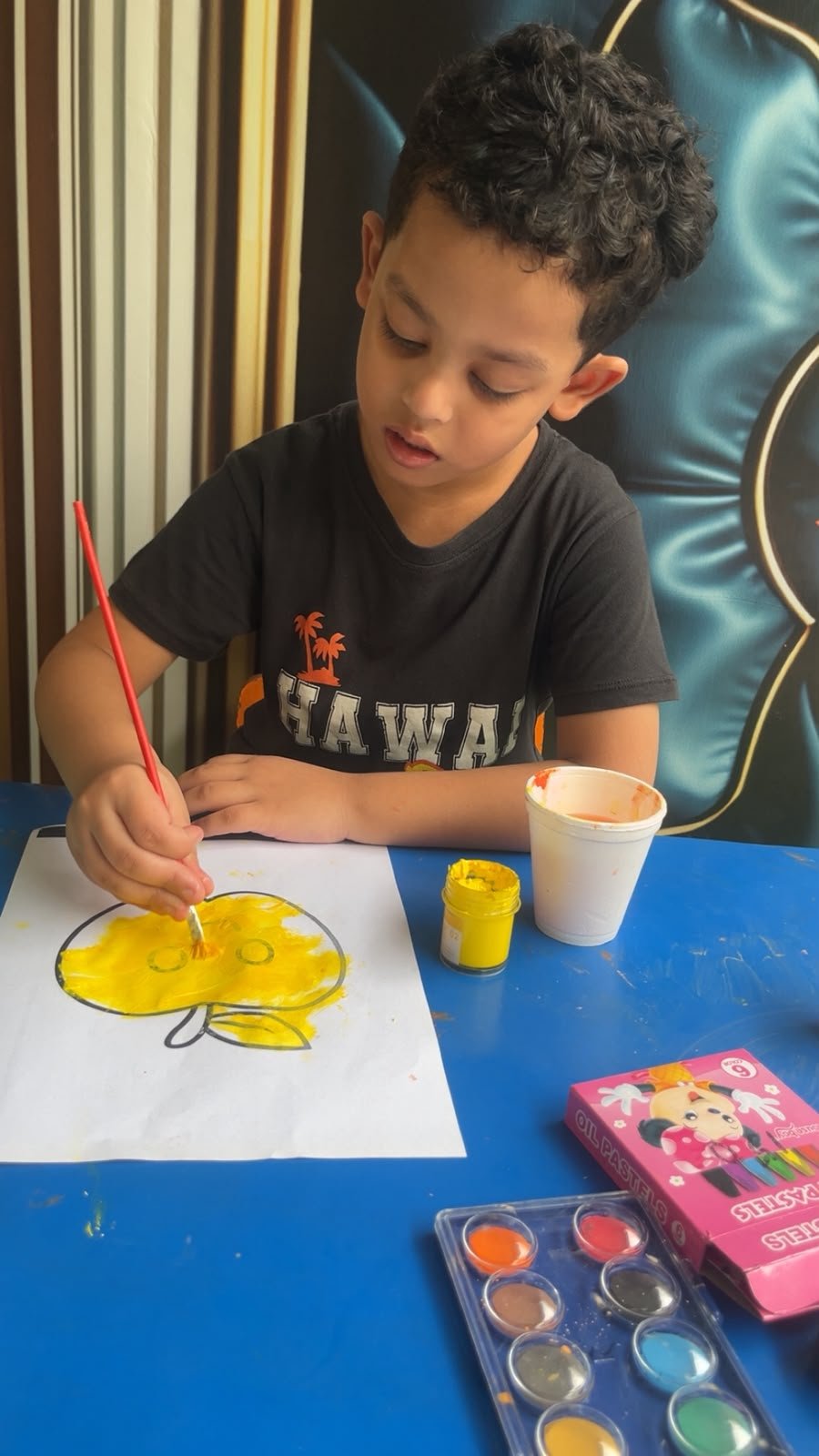
At Gateway International School Lahore, the Inclusive School aims to provide a supportive environment where children’s abilities are recognised and their individual learning journeys are respected. Meaningful progress is encouraged through patience, appropriate guidance, and opportunities to practise.
Every child has the potential to take meaningful steps forward when learning begins with understanding, patience, and encouragement.
Come Visit Us Today! 🌟💖 Meet our dedicated staff and supportive management.
Contact Us: 0323-4197845, 042-32350758
Follow Us on Social Media: Click here to join our Facebook page, Follow us on Instagram Or Here to read our Blog