



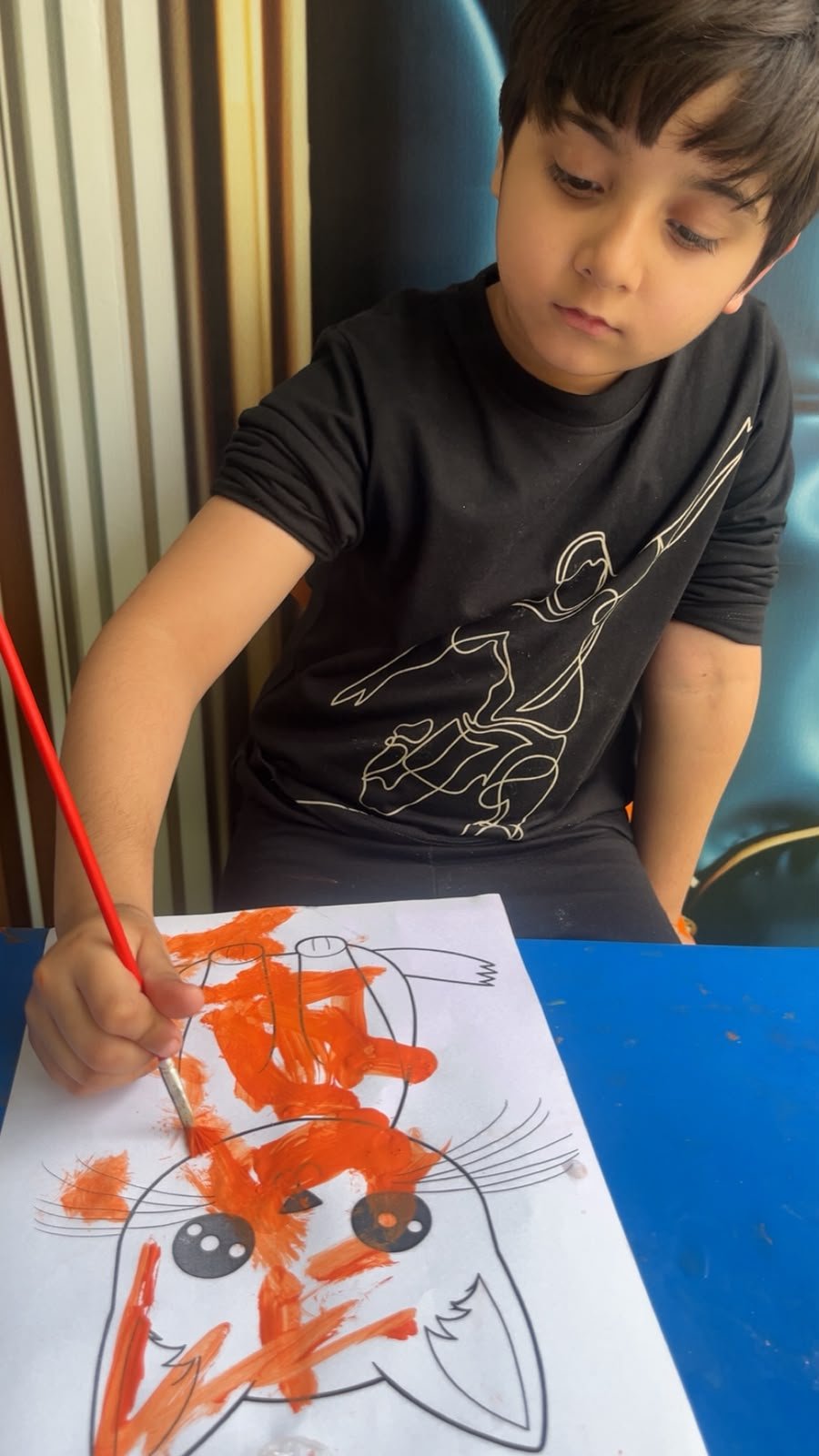
Discover how Fine Motor Skill Development Activities help young children strengthen hand coordination, pencil control, concentration, and early writing readiness at Gateway International School Lahore.
Learning to write is a gradual process that begins long before children form their first letters. In the early years, children develop the physical coordination and control needed for writing through everyday actions such as drawing, colouring, holding crayons, manipulating objects, and completing hands-on tasks. Fine Motor Skill Development Activities provide valuable opportunities for children to practise these foundational skills in an enjoyable and age-appropriate way.
At Gateway International School Lahore, colouring activities offer young learners an opportunity to explore colours, use creative materials, and practise controlled hand movements. Although colouring may look like a simple classroom activity, it can support several skills that contribute to children’s readiness for early writing.
Understanding Fine Motor Skills in Early Childhood
Fine motor skills involve the small muscles of the hands and fingers working together to perform controlled movements. Children use these skills when holding a pencil, turning pages, picking up small objects, fastening buttons, and handling classroom materials.
These abilities develop gradually through practice and everyday experiences.
Fine Motor Skill Development Activities give children opportunities to strengthen hand control, coordinate finger movements, and become more comfortable using different tools. Such activities can be adapted to children’s ages, abilities, and developmental stages.
How Colouring Supports Pencil Control
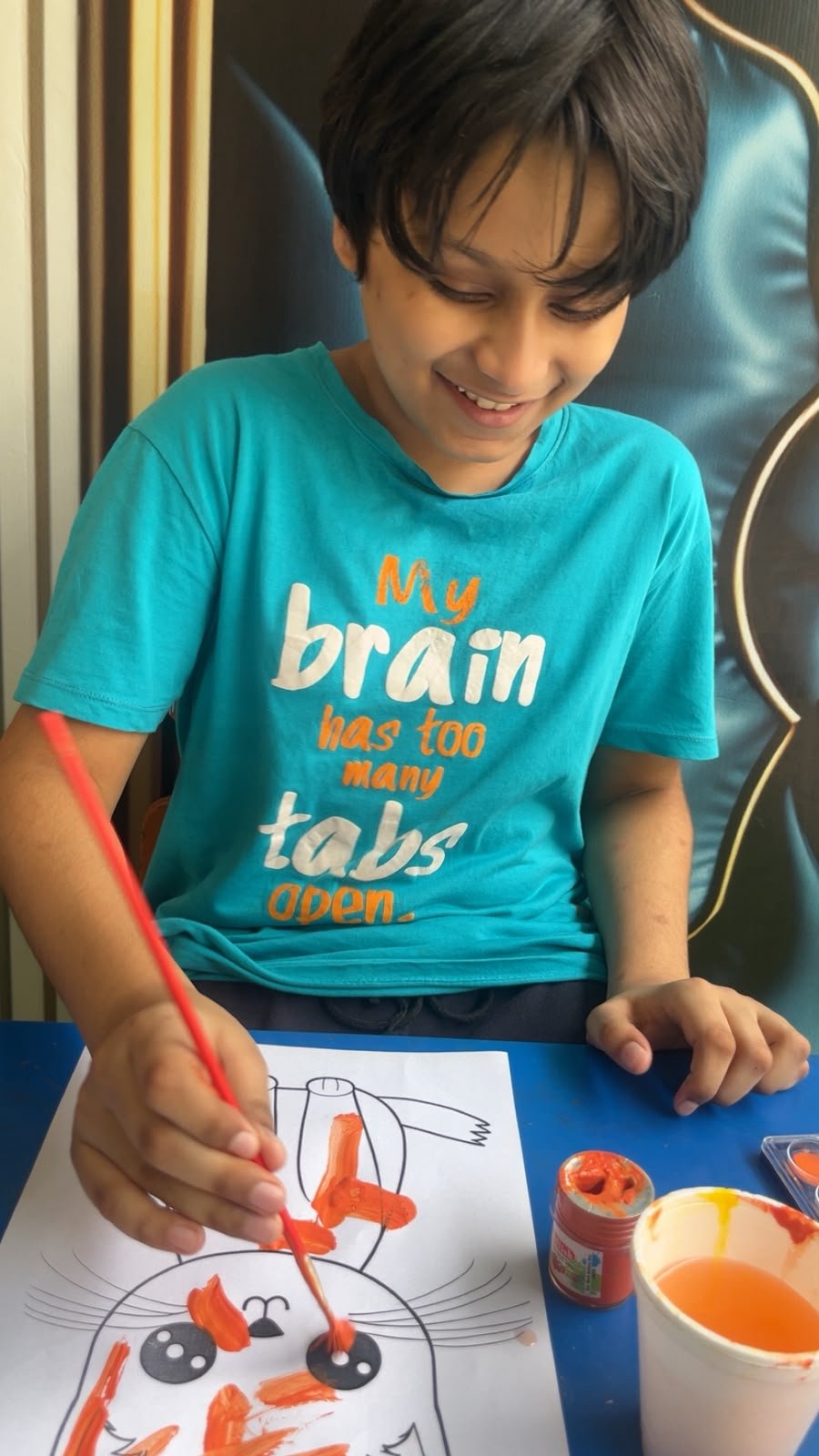
Before children can write letters clearly, they need opportunities to practise holding and moving a writing tool with increasing control.
Colouring encourages children to move crayons or pencils across a page, adjust the direction of their movements, and explore different ways of applying pressure. Staying within a boundary may also encourage visual attention and controlled movement, although children should not be expected to colour perfectly at an early age.
At Gateway International School Lahore, colouring activities can form part of a wider early-years learning approach that gives children opportunities to practise these movements while enjoying the creative process.
Strengthening Hand and Finger Coordination
Writing requires children to coordinate their fingers, hands, and eyes. This coordination helps them guide a pencil across paper and gradually develop greater control over their movements.
Activities such as colouring, drawing, using playdough, tearing paper, threading large beads, and handling suitable classroom materials can provide varied opportunities to practise fine motor control.
These Fine Motor Skill Development Activities allow children to explore different movements and become more familiar with using their hands purposefully.
The aim is not to make every activity a writing exercise. It is to provide varied experiences that support the development of skills children will use in many areas of learning.
Developing Visual-Motor Coordination
Visual-motor coordination involves using information from the eyes to guide hand movements. Children rely on this ability when copying simple shapes, drawing lines, matching objects, and eventually forming letters.
During colouring, children look at the picture and guide their hands to apply colour to particular areas. This gives them an opportunity to practise coordinating what they see with how they move their hands.
Other activities, such as tracing simple paths, drawing shapes, building with blocks, and completing age-appropriate puzzles, can offer additional opportunities to practise this coordination.
Encouraging Concentration and Task Completion
Colouring can also encourage children to focus on an activity for a period appropriate to their age and individual abilities.
As children select colours, explore the picture, and decide where to apply them, they practise making choices and directing their attention. Completing a picture may also give them a sense of achievement.
Teachers can support this process by providing clear instructions, allowing sufficient time, and encouraging effort rather than expecting every child to produce the same result.
At Gateway International School Lahore, enjoyable classroom activities can help children participate at their own pace while gradually developing confidence in their abilities.
Building Confidence Before Formal Writing
For young children, writing can initially feel challenging because it involves several developing skills at once. Opportunities to draw, colour, make marks, and explore writing materials allow children to become familiar with these actions before they are expected to form letters.
Fine Motor Skill Development Activities can make this early stage more engaging by allowing children to practise through play and creative exploration.
When adults appreciate children’s efforts and encourage them to keep trying, children can become more willing to experiment with new tasks. This positive experience can help them approach future writing activities with greater confidence.
Making Early Learning Enjoyable and Purposeful
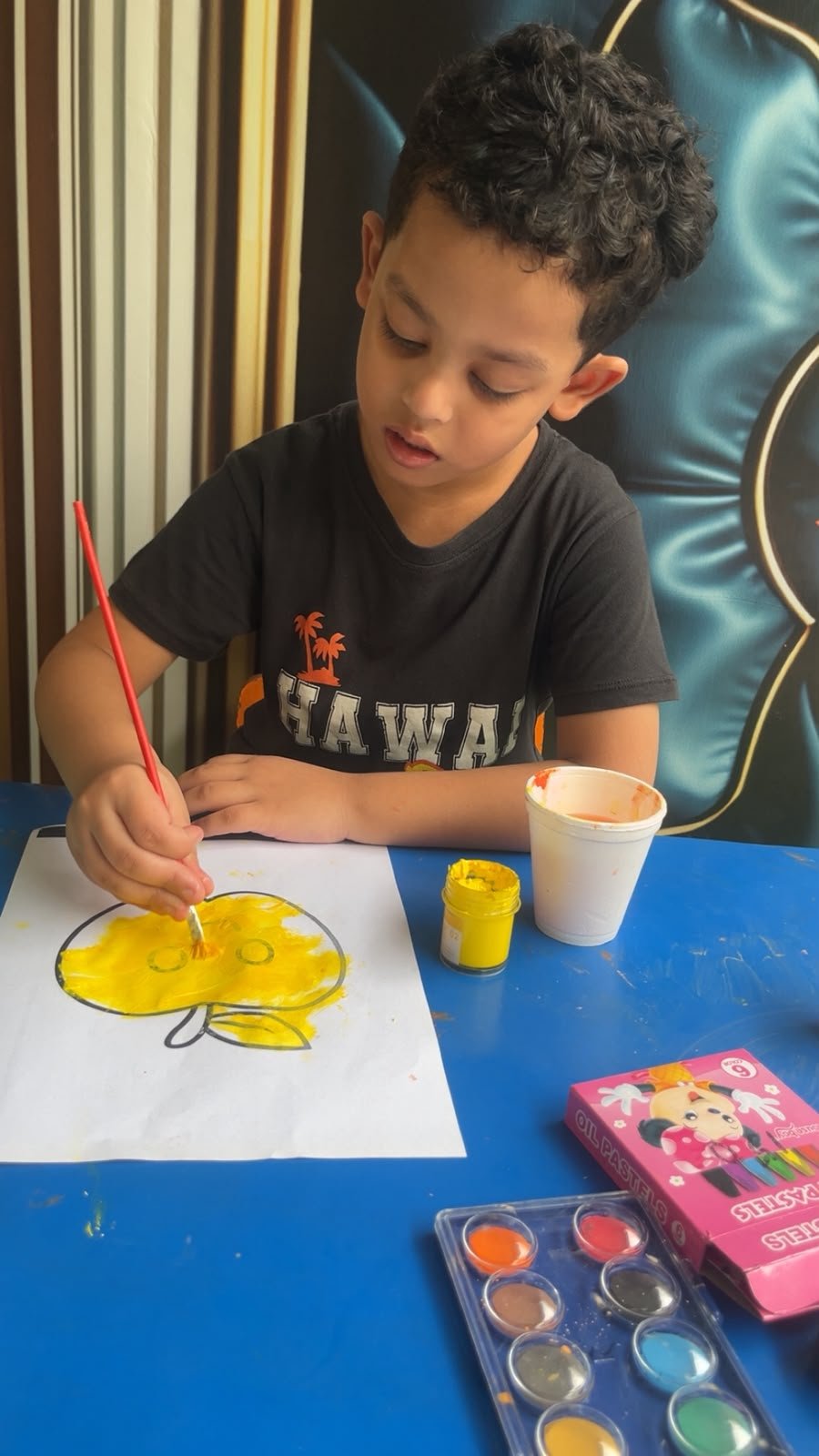
Young children learn through a variety of experiences, and no single activity develops every skill. Colouring is most useful when it forms part of a balanced early-years programme that also includes movement, play, language, social interaction, drawing, and practical tasks.
Teachers can provide different tools and materials suited to children’s developmental levels. Some children may enjoy larger crayons, while others may benefit from thicker pencils, larger pictures, or additional support with handling materials.
The purpose is to create opportunities for progress, not to compare children’s abilities or rush them into formal writing before they are ready.
Fine Motor Skill Development at Gateway International School Lahore
The colouring pictures from Gateway International School Lahore offer a glimpse into how enjoyable classroom experiences can also provide opportunities for developmental learning.
Through colouring and other Fine Motor Skill Development Activities, children can practise hand movements, explore colours, exercise visual attention, and develop familiarity with creative tools. These experiences can contribute to the foundations needed for early writing while allowing children to enjoy learning.
By providing varied, age-appropriate activities and encouraging individual progress, Gateway International School Lahore supports an early learning environment where children can develop essential skills through active participation.
Small Activities, Important Foundations
Preparing children for writing does not begin with worksheets alone. It begins with opportunities to explore, draw, colour, manipulate materials, and practise controlled movements through everyday experiences.
When thoughtfully planned, Fine Motor Skill Development Activities can help children develop skills that support writing readiness and participation in classroom tasks.
Every line drawn, picture coloured, and new movement attempted can become part of a child’s gradual learning journey.
Every little movement practised today helps build the foundations for tomorrow’s learning.
Come Visit Us Today! 🌟💖 Meet our dedicated staff and supportive management.
Contact Us: 0323-4197845, 042-32350758
Follow Us on Social Media: Click here to join our Facebook page, Follow us on Instagram Or Here to read our Blog